
Blog
The Environmental Impact of Construction Waste (and How to Reduce It)

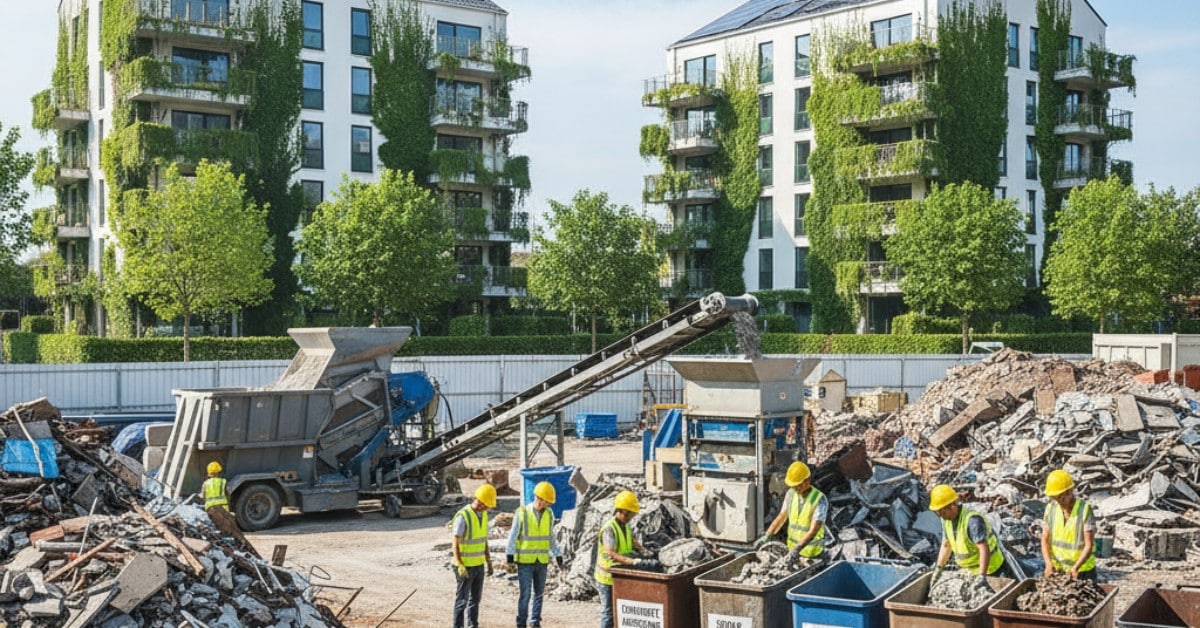
Walk past almost any construction site and you will see piles of scrap wood, broken concrete, unused drywall, and packaging materials waiting to be hauled away. While these piles may seem harmless, together they form one of the largest waste streams in the United States. Millions of tons of construction and demolition (C&D) debris are produced every year, and much of it ends up buried in landfills.
The consequences of this are not just visual clutter. They affect our air, water, climate, and communities. Fortunately, there are practical ways to change the story, including reselling leftover materials so they can be used again.
🌍 The Hidden Costs of Construction Waste
Land and Water Strain
When debris is dumped, it fills up valuable landfill space at an alarming pace. Materials like treated wood and asphalt shingles can leach chemicals into the soil and groundwater, creating long-term contamination.
Air Pollution
Transporting and processing waste requires fuel, which adds to local air pollution. As waste decomposes, it releases methane, a greenhouse gas far more powerful than carbon dioxide.
Energy Drain from Overproduction
Every new steel beam, glass pane, or bag of cement comes from an energy-intensive production process. Throwing away usable materials drives unnecessary demand for new manufacturing, which increases carbon emissions.
Resource Depletion
Forests, mines, and quarries are under constant pressure to supply raw materials. When usable lumber, metals, and stone are discarded instead of reused, the cycle of extraction intensifies, harming ecosystems worldwide.
♻️ Smarter Ways to Handle Waste
Resell Materials Instead of Dumping Them
Many leftovers still have life left in them. Contractors and DIY builders increasingly buy second-hand materials because they are affordable and reliable. Listing extra wood, bricks, or roofing on an online marketplace gives these products a second chance and prevents waste.
Recycle What Cannot Be Reused
Materials like asphalt, drywall, and certain plastics can be processed into new products. Working with recycling partners ensures these resources stay in circulation.
Plan Projects with Waste Reduction in Mind
Accurate ordering, modular design, and material-efficient planning help reduce surplus from the start.
Educate Jobsite Crews
Workers who know the value of salvage are less likely to toss materials in a dumpster. Training teams on separation and resale practices pays off quickly.
Donate to Community Projects
Some leftover materials may not sell but can still serve a purpose for nonprofits, schools, or local projects. This not only reduces waste but strengthens community ties.
✅ The Benefits of Reselling C&D Waste
Reselling does more than protect the environment. Contractors avoid disposal fees and even turn waste into an additional income stream. Buyers gain access to affordable supplies that lower their project costs. Communities enjoy cleaner surroundings and fewer landfill sites. The planet benefits from reduced emissions and slower depletion of natural resources.
🌱 Final Thoughts
Construction waste does not have to be an unavoidable byproduct of building. By changing how materials are handled, especially by reselling what is left after a project, builders and contractors can make a significant environmental difference.
Every board that finds a new home, every batch of bricks that gets reused, and every salvaged window that is resold moves the industry closer to a future where waste is no longer wasted.
Reselling C&D waste is not just a strategy for managing leftovers. It is a powerful way to cut environmental impact while building smarter and more responsibly.